

The food world in the United Kingdom is always changing and full of exciting flavours. From your local cafes to fancy restaurants, the UK has a lot of different places to eat and enjoy food.
To be successful in the food business, it’s crucial to keep up with the latest trends. That means knowing what people like to eat, how they like to eat it, and where they like to eat. Trends are like the newest and most popular things in the food world.
So, if you love food or work in the food industry, stick with us! We’re going to explore all the exciting new trends happening in the UK’s food world. Whether you’re a food lover or part of the food business, this blog post will give you ideas and insights into what’s hot and happening in British dining.
1. Sustainability and Eco-Friendly Practices
Nowadays, when we eat out in the UK, it’s not just about yummy food; it’s also about doing good for the Earth. The food places we go to are trying really hard to be eco-friendly and not harm our planet. One way they’re doing this is by having more food options that don’t come from animals, like plants. This helps the environment because making plant-based food is usually better for our world than making meat.
Restaurants are also doing cool things to stop wasting food and support local farmers. They try not to throw away food, and they buy things from farmers nearby. That means the food doesn’t have to travel super far to get to your plate, which is good for the Earth.
Eco-Friendly Packaging

When you get food to go, you might notice that the containers are different. That’s because many food places in the UK are using packaging that’s good for the environment. They don’t want to use things like plastic that can harm the Earth, so they use stuff like paper and things that can be composted. Some places even let you bring your own containers to take food home, so you don’t need to use throwaway stuff. All of this helps keep our planet cleaner and healthier. So, when you eat out in the UK, you’re not just enjoying a meal; you’re also helping take care of our amazing planet.
2. Technology Integration
Technology is transforming the way we enjoy food in the UK, making dining out more convenient and enjoyable. Let’s explore how technology is changing the foodservice game.
The Role of Technology in Modernizing Foodservice:
Technology plays a big part in making our dining experiences better. Restaurants and cafes are using tech to make everything smoother. They might use tablets to take your orders or fancy machines to cook your food just right. Even behind the scenes, chefs and kitchen staff rely on high-tech gadgets to prepare delicious meals. So, when you’re enjoying a meal, remember that tech is helping make it awesome.
Rise of Online Ordering and Delivery Services:
Ordering food online has become super popular. You can use your phone or computer to pick what you want, and it magically shows up at your door. It’s not just pizza anymore; you can order all kinds of food, from sushi to burgers. This makes it easy to have your favourite meals without leaving home. Plus, it helps restaurants reach more people, especially during times when going out isn’t so easy.
Contactless Payment Systems and Digital Menus:
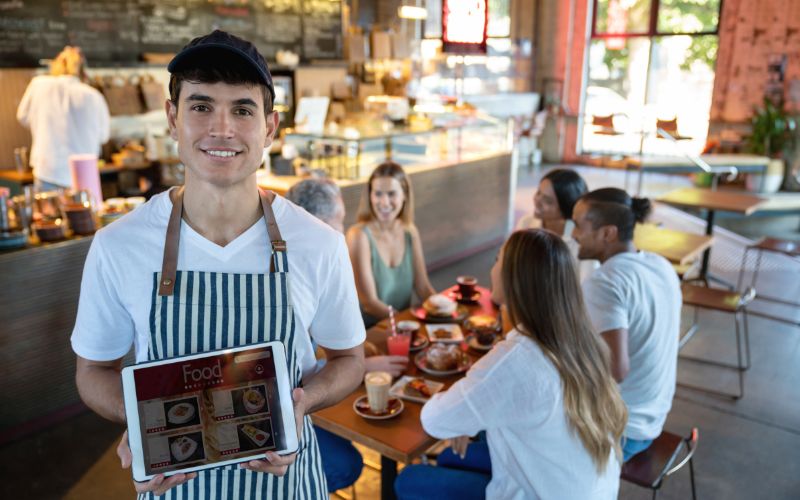
Paying for your meal has gotten high-tech too. Many places now let you pay by tapping your card or even using your phone, so you don’t have to handle cash. And when you sit down to eat, you might notice that the menu is on a screen. This digital menu can show you pictures of the food and tell you what’s in it. It’s a cool way to explore new dishes and make sure you get exactly what you want.
3. Health and Wellness Trends:

The UK’s dining scene is undergoing a healthy transformation as more people seek nutritious options when dining out. Restaurants and cafes are responding by incorporating dishes rich in vegetables and reducing less healthy ingredients, catering to the increasing demand for wholesome meals. Simultaneously, vegan and plant-based offerings are surging in popularity, with an array of delicious options like veggie burgers, plant-based milk, and vegan desserts now available for all diners to savour, not just vegans. Moreover, eateries are recognizing diverse dietary needs by introducing allergen-friendly menus, ensuring that individuals with allergies or specific dietary restrictions can enjoy meals without worry. In sum, the UK’s food landscape is becoming health-conscious, embracing the demand for healthier choices, promoting sustainability through plant-based options, and ensuring that everyone can dine out happily and safely, making the dining experience more inclusive and delicious for all.
4. Culinary Innovation:
Creative and Fusion Cuisines Gaining Popularity:
Innovation is taking centre stage in the UK’s food scene as creative and fusion cuisines captivate taste buds. Restaurants are experimenting with exciting combinations and culinary techniques to create dishes that are both unique and mouth watering. These inventive approaches are redefining traditional recipes, offering diners an extraordinary dining adventure.
The Influence of Global Flavours and Multiculturalism:
The UK’s dining landscape is becoming a global culinary hub, influenced by a rich tapestry of international flavours and multiculturalism. Restaurants are drawing inspiration from diverse cuisines, incorporating global spices, and celebrating the authenticity of dishes from around the world. This multicultural fusion is not only expanding culinary horizons but also reflecting the UK’s vibrant and inclusive food culture.
Chef Collaborations and Culinary Experiments:
Collaborations between talented chefs and culinary experiments are pushing the boundaries of gastronomy in the UK. Renowned chefs are teaming up to create innovative tasting menus and dining experiences that blend expertise from various culinary traditions. These collaborations and experiments are thrilling food enthusiasts and sparking a wave of creativity, ensuring that dining out remains an exciting and ever-evolving adventure.
5. Delivery and Takeout Strategies:

Delivery and takeout strategies in the food industry are experiencing a significant transformation. Firstly, food delivery platforms are continually evolving, offering more convenient and diverse options for customers to order their favourite meals online, providing a seamless and efficient dining experience. Secondly, the rise of ghost kitchens and virtual restaurants is reshaping the way food is prepared and delivered, with specialized kitchens catering exclusively to delivery orders, introducing new and exciting culinary concepts to the market. Lastly, enhancing the takeout experience with premium packaging is becoming increasingly common, ensuring that food remains fresh and appealing during transit, making the entire process of enjoying restaurant-quality meals at home a delightful and memorable experience for diners.
Read More: How Can a Food Distributor Impact Your Restaurant’s Health Inspection?
Conclusion:
In the ever-evolving landscape of the UK foodservice industry, several key trends have emerged as driving forces behind its transformation. From the increasing demand for healthier menu options to the rising popularity of plant-based cuisine and the adoption of eco-friendly practices, the industry is adapting to meet the changing preferences and values of consumers. Culinary innovation, with its creative fusion cuisines and global influences, has added a touch of excitement to dining experiences, while technology integration has made ordering and paying for food more convenient than ever before. The focus on sustainability, along with efforts to reduce food waste and accommodate special dietary needs, reflects a growing consciousness of the environment and inclusivity. In light of these trends, it is evident that the UK Foodservice sector is embracing innovation and striving to offer more diverse, healthier, and sustainable choices to customers.
Adapting to these trends not only ensures the continued growth and profitability of food establishments but also contributes to a more vibrant, sustainable, and inclusive foodservice industry in the United Kingdom.